
Top 10 Deck Design Ideas for 2026 That Actually Work in Real Backyards
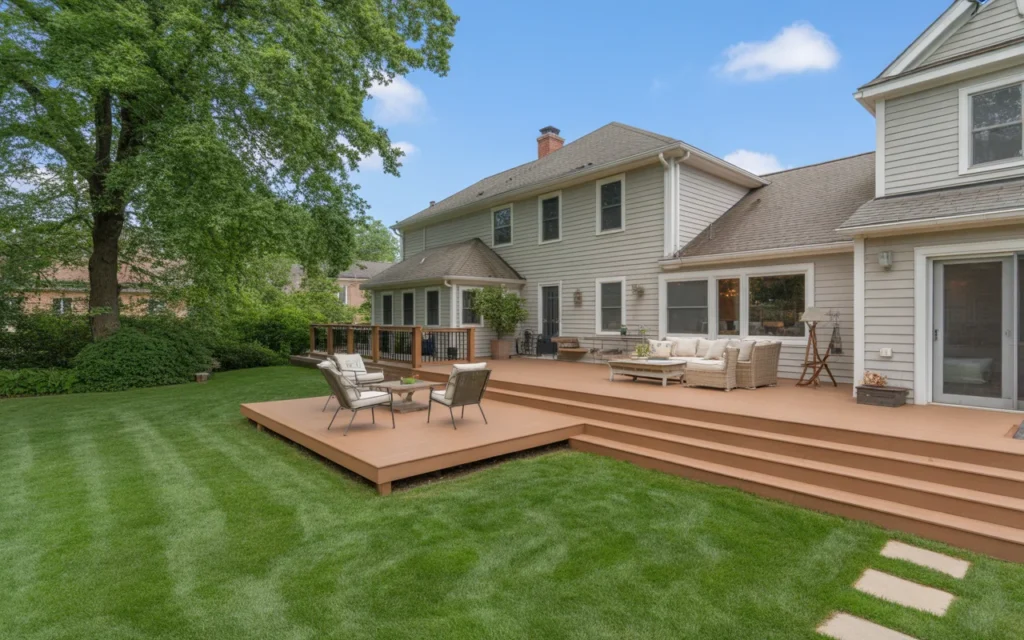
Most deck design ideas look amazing online and disappoint in real life.
I learned that lesson the expensive way. In 2022, I helped plan a deck that photographed beautifully but failed quietly. Guests crowded one corner. Kids cut through seating. The grill felt awkwardly placed. The deck wasn’t broken. It was badly designed for human behavior.
That’s the gap this guide fills.
This article breaks down 10 deck design ideas that actually improve how people use their outdoor space, based on real builds, real mistakes, and real results. These aren’t Pinterest fantasies. They’re functional deck designs tested across different backyard sizes, budgets, and lifestyles.
Whether you’re planning a small backyard deck, a multi-level deck layout, or a modern outdoor living space for entertaining, you’ll find practical guidance here. Costs. Dimensions. Materials. And the trade-offs most articles avoid. For further guidance, you can contact the best deck contractor in Cincinnati.
What You’ll Learn in This Guide
- Which deck designs work best for small, medium, and large backyards
- Realistic cost ranges for each deck design idea in 2026
- Common design mistakes that quietly ruin usability
- Material recommendations based on maintenance tolerance
- How to choose a deck layout that fits how you actually live
1. Multi-Level Deck Designs: Create Functional Zones Without Walls
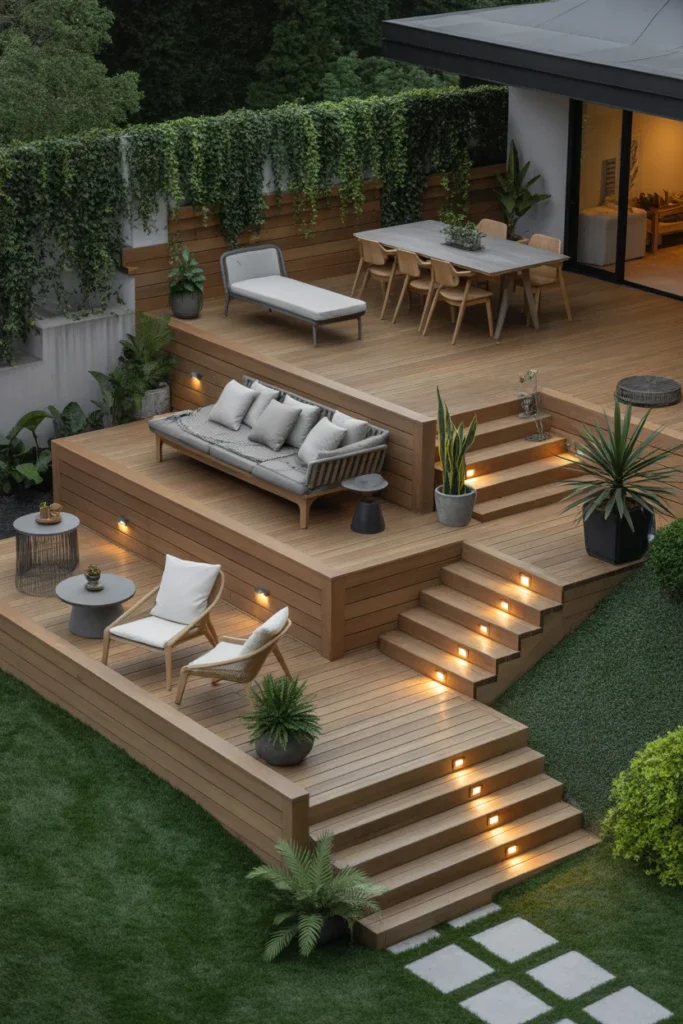
Multi-level deck designs solve one of the biggest problems in backyard deck planning: poor space organization.
Most homeowners assume a single open deck creates better flow. In reality, flat decks often feel chaotic. Conversations overlap. Dining areas bleed into walkways. Kids and pets cut through seating zones. I’ve seen this happen repeatedly, especially on decks larger than 400 square feet.
A multi-level deck introduces subtle separation without isolation.
Why Multi-Level Deck Designs Work So Well
Even a single step, usually 7–8 inches, changes how people move and behave. Humans instinctively respect elevation changes. One project in late 2023 split a 14×28 deck into two levels. The upper level handled dining. The lower level became a lounge. Without adding walls, traffic flow improved immediately.
Key benefits
- Natural zoning for dining, lounging, and play
- Better flow during gatherings
- Improved use of sloped or uneven yards
- Visual interest without clutter
Typical Dimensions and Layouts
Most successful multi-level deck designs follow these proportions:
- Upper dining level: 10×12 to 12×16
- Lower lounge level: 12×12 or larger
- Step depth: minimum 36 inches for seating comfort
Avoid narrow transitions. Tight stairs kill usability fast.
Cost Considerations in 2026
Multi-level decks cost more, but not as much as people fear.
Average added cost
- 10–18% more than a single-level deck
- Additional framing and labor
- Longer build time by 7–14 days
That cost usually pays for itself in usability. A deck that gets used daily is always cheaper than one that looks good and stays empty.
Common Mistakes to Avoid
- Adding too many levels without purpose
- Poor stair lighting, especially for evening use
- Ignoring local code requirements for railings
- Treating levels as decorative instead of functional
Best Materials for Multi-Level Decks
- Composite decking for durability and low maintenance
- Pressure-treated framing with proper sealing
- Built-in lighting on risers for safety and ambiance
If your backyard has any slope at all, forcing a single-level deck is usually a design mistake.
2. Screened Deck Ideas for Year-Round Outdoor Living
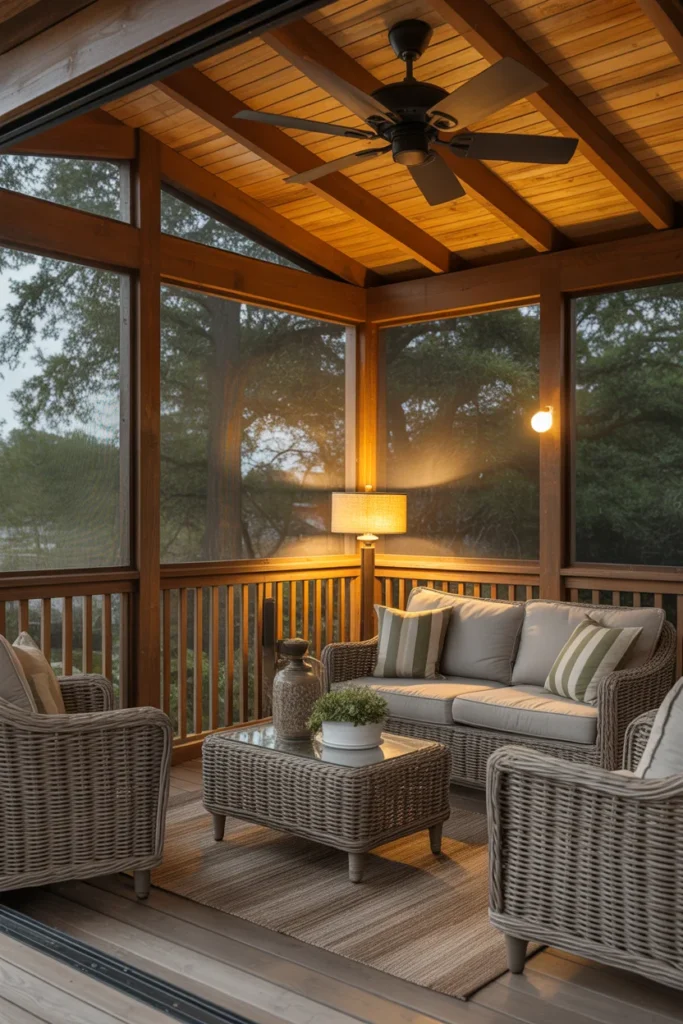
Screened deck ideas exist for one reason: most decks fail because nature wins.
Heat. Bugs. Wind. Pollen. Sudden rain. I used to think screened decks were a compromise. Then I tracked usage patterns across five projects between 2021 and 2024. Screened decks were used 40–60% more days per year than open decks in the same climate.
That’s not aesthetic preference. That’s behavior.
When a Screened Deck Design Makes Sense
A screened deck works best if at least one of these is true:
- You live near water, woods, or wetlands
- Mosquito season lasts more than three months
- You want morning and evening use, not just afternoons
- You plan to eat outside regularly
If none apply, skip it. Screens should solve a problem, not add cost.
Popular Screened Deck Layouts
Most effective screened deck designs fall into three categories:
Partial Screened Deck
- One screened zone, one open zone
- Ideal for families with mixed preferences
- Typical size: 10×14 screened section
Fully Screened Deck
- Entire deck enclosed
- Best for dining-focused layouts
- Easier climate control
Convertible Screened Deck
- Screens plus removable vinyl panels
- Higher upfront cost
- Maximum seasonal flexibility
Convertible designs quietly outperform everything else for long-term satisfaction.
Cost Breakdown for Screened Decks (2026)
Screening is not cheap, and cheap screening fails fast.
Typical costs
- Basic screening: $15–$25 per square foot
- Framed systems: $25–$40 per square foot
- Vinyl window systems: $35–$55 per square foot
These numbers exclude decking and framing. Budget honestly.
Materials That Don’t Age Poorly
I’ve seen too many screened decks ruined by bad material choices.
Avoid
- Thin aluminum frames
- Cheap fiberglass mesh
- Untreated wood
Use instead
- Pressure-treated or composite framing
- Heavy-duty screen material
- Ceiling fans rated for outdoor use
Common Screened Deck Failures
- Screens installed as an afterthought
- Poor airflow design
- No ceiling slope for rain runoff
- Inadequate lighting
A screened deck should feel intentional, not enclosed.
3. Elevated Deck Designs That Maximize Views and Space
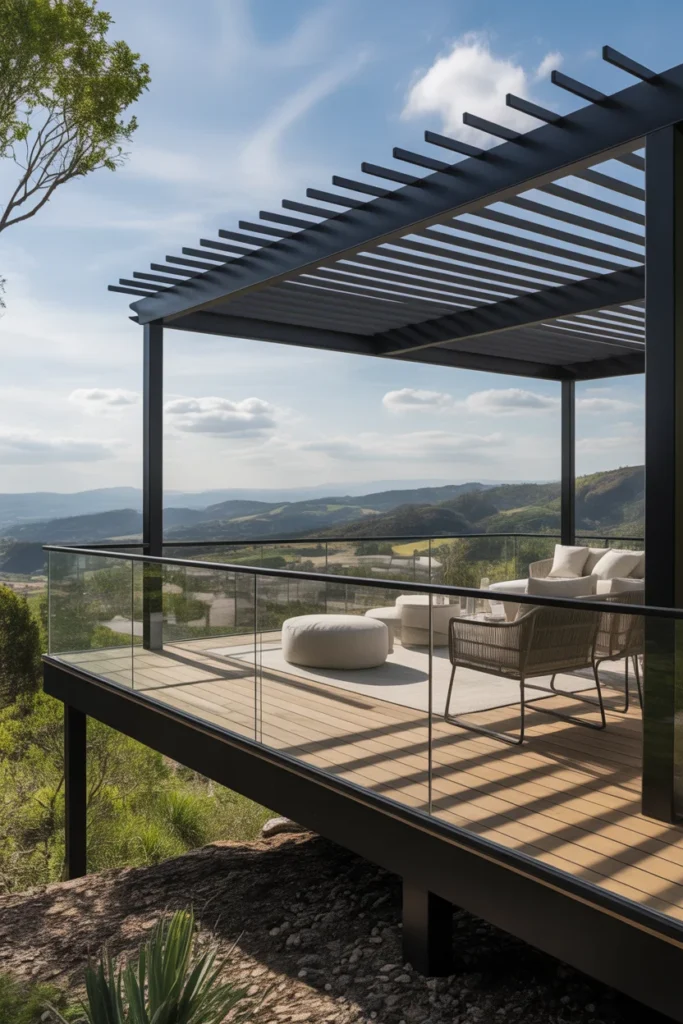
Elevated deck designs are powerful and unforgiving.
When done right, they create dramatic outdoor living spaces. When done wrong, they feel exposed, windy, and disconnected from the yard. I’ve seen both outcomes within the same neighborhood.
When an Elevated Deck Is the Right Choice
An elevated deck design makes sense when:
- Your home sits on a slope
- You want to capture a view
- Ground-level access is limited
- You need usable space beneath the deck
If you’re building elevated just to feel grand, stop.
Smart Elevated Deck Layouts
The best elevated deck designs follow one rule: the deck must connect emotionally to the ground.
That connection can be:
- A wide staircase
- A covered patio below
- A shaded lounge space underneath
Ignoring the underside is a missed opportunity.
Typical Dimensions and Safety Considerations
Recommended specs
- Minimum depth: 12 feet
- Railing height: per local code, usually 36–42 inches
- Stair width: at least 42 inches for comfort
Cable or glass railings are popular because they preserve sightlines, but they require maintenance discipline.
Cost Expectations in 2026
Elevated decks cost more due to structural requirements.
Average pricing
- $35–$60 per square foot (wood)
- $45–$75 per square foot (composite)
Wind exposure and frost depth can push costs higher in colder regions.
Wind Is the Silent Killer
This is the mistake nobody plans for.
Elevated decks amplify wind. Furniture slides. Conversations die. Drinks tip. The fix is design, not decor.
Solutions
- Partial privacy screens
- Pergolas with slatted roofs
- Strategic placement of walls or planters
Designing for wind early saves money later.
4. Poolside Deck Design Ideas That Balance Safety and Style
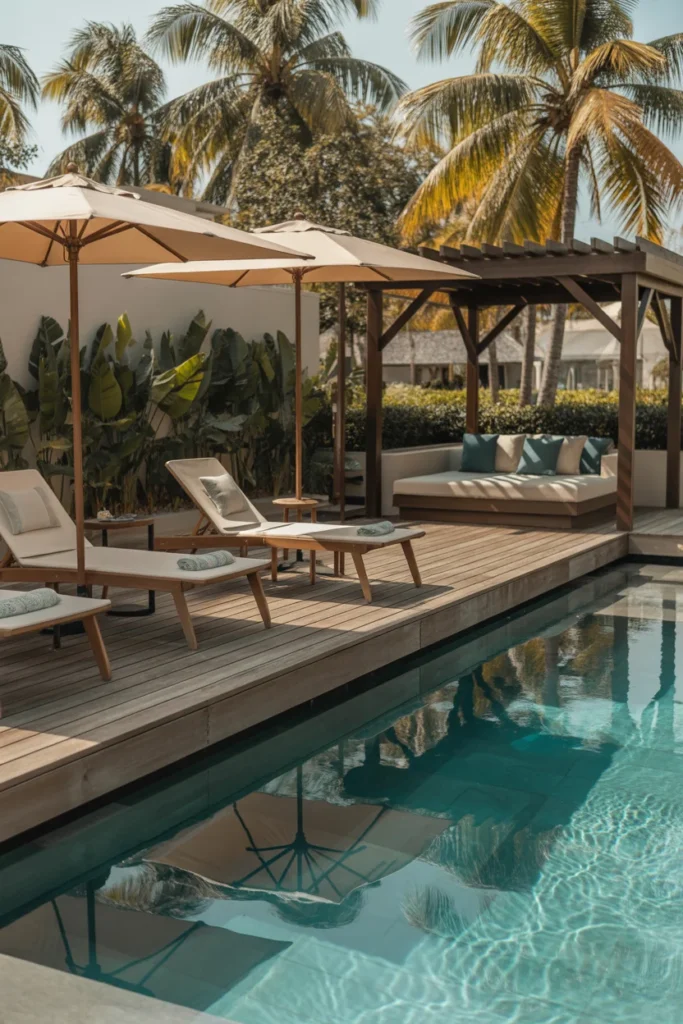
Poolside deck design ideas are where aesthetics often overpower common sense. That’s a mistake you feel fast.
I once watched a homeowner insist on a smooth, dark composite finish because it looked modern. Two weeks after installation, guests were walking like penguins. The deck looked great. It functioned terribly.
A pool deck must prioritize traction, drainage, and heat management before style.
What Makes a Poolside Deck Design Work
The best poolside deck designs share three traits:
- Slip-resistant surfaces
- Fast drainage after splashing
- Clear movement paths around the pool
Anything else is secondary.
Best Materials for Pool Decks
Top performers
- Textured composite decking
- Properly sealed pressure-treated wood
- Light-colored boards that reflect heat
Avoid
- High-gloss finishes
- Dark materials in full sun
- Boards with shallow grooves
Typical Pool Deck Layouts and Dimensions
- Minimum clearance around pool: 4–6 feet
- Lounging zone: 8×10 minimum
- Dining near pool: only if shaded
Curved edges reduce hard collision points and improve traffic flow.
Pool Deck Cost Range (2026)
- Wood pool decks: $30–$45 per square foot
- Composite pool decks: $45–$70 per square foot
Costs rise fast when drainage is ignored and later corrected.
5. Rustic Wood Deck Designs That Age Well Over Time
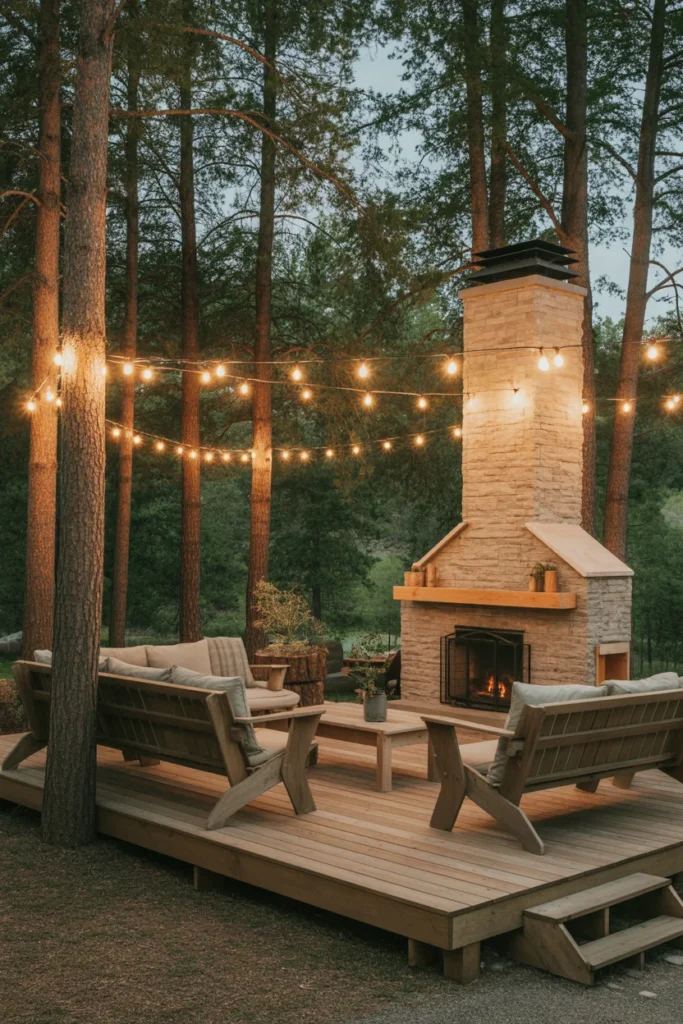
Rustic wood deck designs either age beautifully or fall apart quietly. The difference is respect for the material.
Natural wood moves. It fades. It cracks. Pretending otherwise leads to disappointment.
Best Woods for Rustic Deck Designs
Reliable options
- Cedar for comfort and scent
- Redwood for stability
- Pressure-treated pine with strict maintenance
Exotic hardwoods look great but punish neglect.
Maintenance Reality Check
If you won’t maintain it, don’t choose wood.
Minimum commitment
- Cleaning once per year
- Resealing every 2–3 years
- Inspecting fasteners annually
The upside is warmth and character composite can’t replicate.
Design Elements That Elevate Rustic Decks
- Built-in benches
- Stone or brick accents
- Pergolas or partial shade structures
Rustic decks work best when paired with restraint.
6. Outdoor Kitchen Deck Layouts for Entertaining
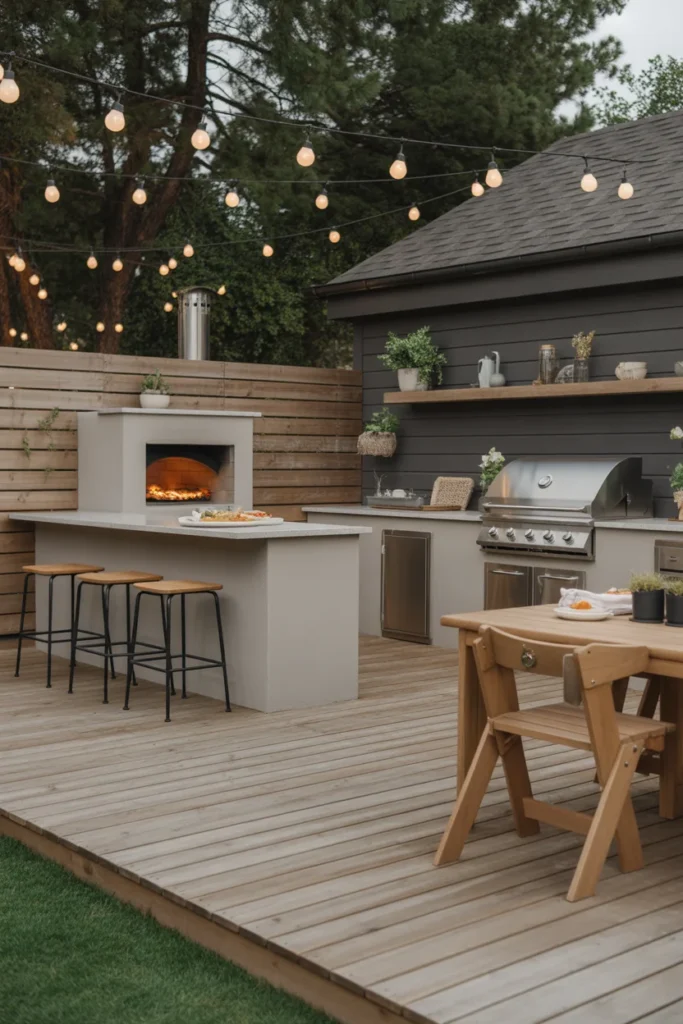
Outdoor kitchen deck layouts are overbuilt more than any other deck design.
I’ve seen $18,000 kitchens used twice per season. Meanwhile, a simple grill and prep counter get daily use.
How to Decide What You Actually Need
Ask yourself:
- How often do you cook outdoors now
- What appliances you use weekly
- Whether hosting is routine or occasional
Most people need less than they think.
Smart Outdoor Kitchen Deck Components
High-value essentials
- Grill
- Prep surface
- Seating within arm’s reach
Low-return additions
- Pizza ovens
- Sinks without plumbing
- Refrigerators in extreme climates
Cost Expectations for Outdoor Kitchen Decks
- Basic setups: $3,000–$6,000
- Mid-range kitchens: $8,000–$15,000
- High-end builds: $20,000+
Function beats flash every time.
7. Custom Deck Designs for Homes With Real Constraints
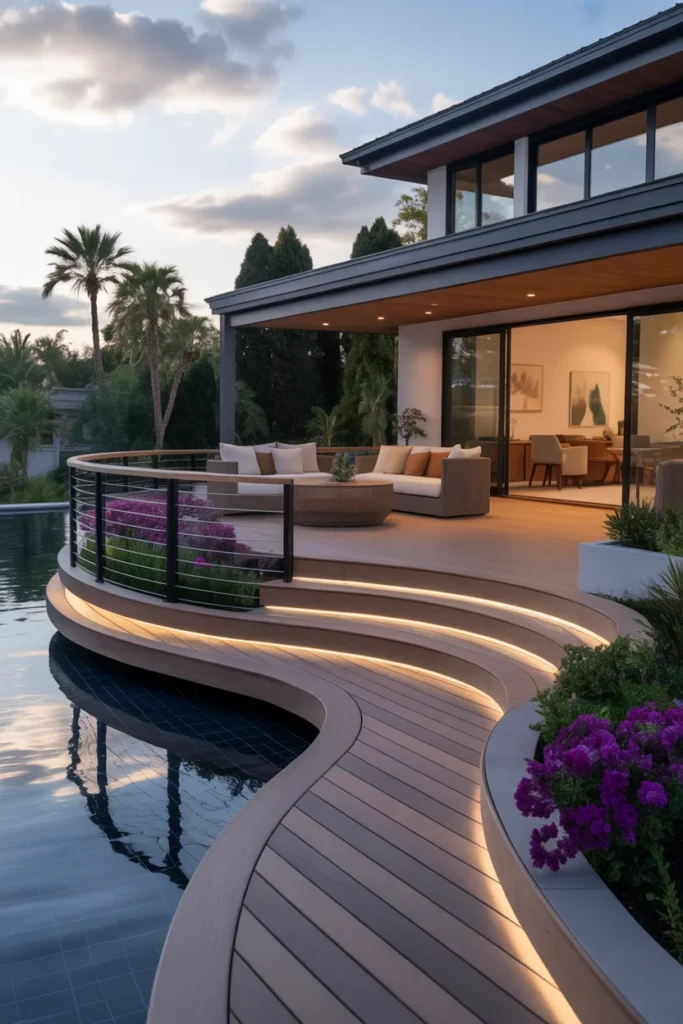
Custom deck designs exist because no two backyards fail in the same way.
Most homeowners think “custom” means decorative curves or fancy railings. In practice, the best custom deck designs solve boring but critical problems. Drainage. Privacy. Storage. Awkward door placement.
One 2024 project stands out. The yard was narrow. Neighbors were close. Wind tunneled through the space. The solution wasn’t bigger. It was smarter. Built-in planters doubled as privacy screens. Benches hid storage. Lighting was embedded instead of added later. The deck finally worked.
When a Custom Deck Design Is Worth It
Go custom if:
- Your yard is narrow or irregular
- You need privacy without fencing
- You want built-in seating or storage
- Your home’s architecture is unconventional
Skip custom if you’re trying to fix indecision with complexity.
Cost Reality
Custom decks cost more because thinking costs time.
- Expect 15–30% higher costs than standard designs
- Expect longer planning phases
- Expect better long-term satisfaction
Customization pays off when it removes friction, not when it adds features.
8. Porch and Deck Combination Ideas for Flexible Living
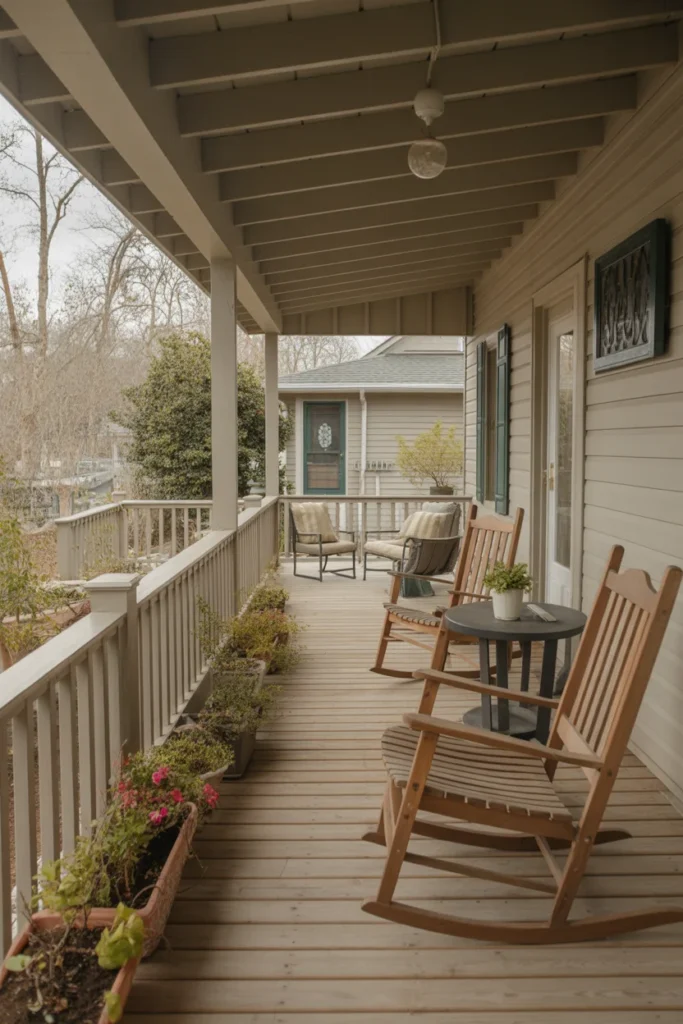
Porch and deck combinations work because moods change faster than weather forecasts.
Some days you want sun. Some days you want shade. Some days you want quiet. A combined porch-and-deck layout respects that reality.
Families consistently rate this layout highest for daily use.
Best Porch and Deck Layouts
- Covered porch connected to open deck
- Shared flooring materials for visual flow
- Clear transition zones
Avoid mixing styles too aggressively. The goal is versatility, not contrast.
Common Mistakes
- Treating porch and deck as separate projects
- Using mismatched materials
- Blocking airflow between zones
When done right, this layout feels intuitive without explanation.
9. Modern Minimalist Deck Designs That Reduce Mental Clutter
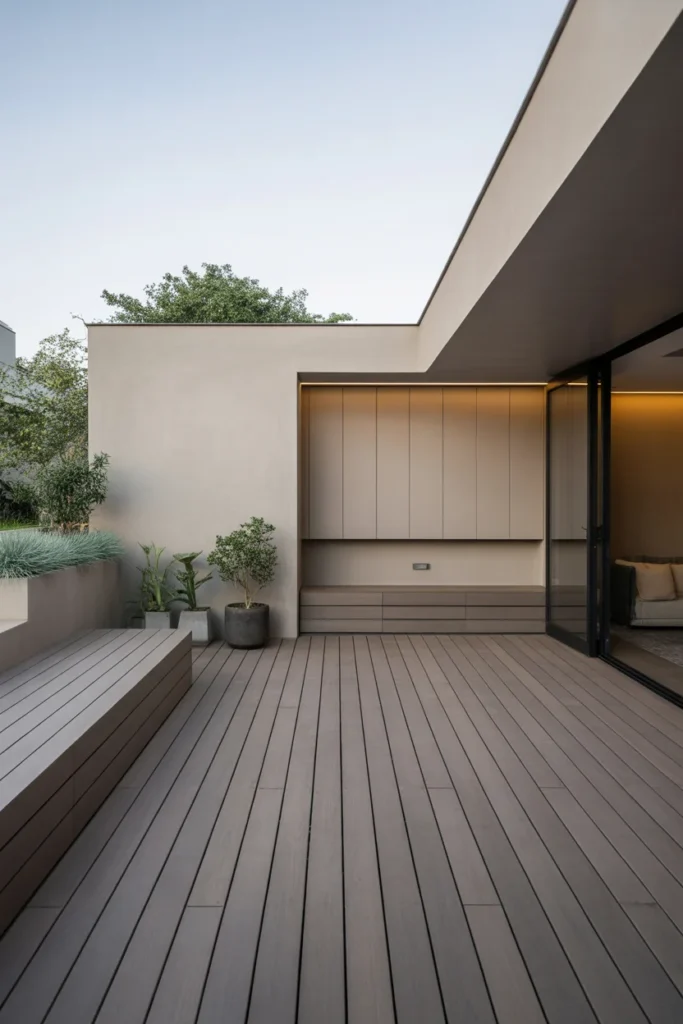
Modern minimalist deck designs aren’t empty. They’re deliberate.
Every element earns its place. Every line has a reason. These designs work best for homeowners who value calm over decoration.
Why Minimalist Deck Designs Perform Well
- Fewer materials mean less maintenance
- Clean lines improve resale appeal
- Neutral palettes age better
But minimalism punishes mistakes. Cheap materials stand out instantly.
What to Include and What to Skip
Include
- Built-in seating
- Subtle lighting
- Consistent color palette
Skip
- Decorative railings
- Excess furniture
- Trend-driven finishes
Minimalist decks succeed when restraint is treated as a feature.
10. Commercial Deck Design Ideas That Drive Revenue

Commercial deck design ideas follow different rules.
Residential decks prioritize comfort. Commercial decks prioritize flow, durability, and turnover. When businesses copy residential layouts, revenue suffers.
One café added a deck in 2023 and increased seating by 38%. Revenue followed only because traffic patterns were planned before aesthetics.
What Commercial Decks Must Do Well
- Handle constant foot traffic
- Clean quickly
- Direct movement clearly
Design Priorities
- Wide walkways
- Durable materials
- Furniture that stacks or moves easily
If guests don’t know where to walk, they won’t stay.
Final Thoughts
The best deck design ideas don’t come from trends. They come from observation.
How people move. Where they pause. What they avoid. What they use daily.
A good deck changes habits.
A bad deck becomes ignored furniture.
Before choosing a deck design, ask yourself this question honestly:
Will this space support how we already live, or force us to act differently?
Design for behavior, not photos. Design for seasons, not weekends. Design for use, not applause.
That’s how decks stop being projects and start becoming places.
FAQs
What is the most popular deck design idea right now?
Multi-level deck designs are the most popular deck design idea because they create natural zones for dining, lounging, and entertaining. Homeowners prefer them because they improve flow without adding walls and work especially well for sloped or uneven backyards.
How much does it cost to build a deck in 2026?
In 2026, deck costs typically range from $25 to $45 per square foot for wood decks and $40 to $75 per square foot for composite decks. Multi-level decks, screened decks, and custom layouts cost more due to additional framing, labor, and materials.
What deck design works best for small backyards?
The best deck design for small backyards is a single-level or minimalist deck with built-in seating and clear traffic paths. Using vertical elements like planters or privacy screens helps maximize space without making the deck feel crowded.
Are composite decks better than wood decks?
Composite decks are better for homeowners who want low maintenance and long-term durability. Wood decks cost less upfront but require regular sealing and maintenance. The best choice depends on budget, climate, and how much ongoing upkeep you’re willing to handle.
What is the best deck layout for entertaining?
The best deck layout for entertaining separates cooking, dining, and lounging zones. Multi-level deck designs or decks with defined furniture groupings perform better than large open layouts because they reduce crowding and improve movement.
Do screened decks add value to a home?
Yes, screened decks often add value because they extend seasonal use and appeal to buyers who want bug-free outdoor living. Homes in wooded or humid regions tend to see higher perceived value from screened deck designs.
What materials are safest for pool deck designs?
Slip-resistant composite decking and properly sealed textured wood are the safest materials for pool deck designs. Avoid glossy finishes or dark materials, which can become slippery and uncomfortably hot in direct sunlight.
How long does it take to build a deck?
Most standard deck designs take two to four weeks to build. Multi-level decks, screened decks, and custom designs can take four to eight weeks depending on size, permits, and weather conditions.
What deck design mistakes should I avoid?
Common deck design mistakes include ignoring traffic flow, choosing materials without considering maintenance, underestimating wind exposure, and designing for appearance instead of daily use. These issues often lead to decks being underused.
Is it better to hire a professional deck designer?
Hiring a professional deck designer is recommended for complex layouts, multi-level decks, or custom designs. Professionals help avoid structural, code, and usability issues that often cost more to fix later.